
Complete Guide to Energy-Efficient Windows
Energy-efficient windows reduce heat loss, improve insulation, and create a more comfortable home year-round. For homeowners replacing old or inefficient windows, choosing the right glazing, frame material, and window style can make a noticeable difference to the property’s performance.
At Style Superior Windows & Conservatories, we offer a range of modern window styles designed to combine thermal performance with security, durability and attractive design. From versatile uPVC casement windows to slim aluminium frames and traditional-looking flush sash designs, there are options to complement both contemporary and character properties.
What Are Energy-Efficient Windows?
Energy-efficient windows are designed to limit heat transfer between a property’s interior and exterior. Better insulation means less warmth escapes during colder weather, helping rooms feel more comfortable and reducing unnecessary heat loss. Double glazing achieves this by using two panes of glass separated by a sealed space, creating an additional insulating barrier compared with traditional single glazing. Energy Saving Trust also identifies reduced draughts, fewer cold spots, and improved home comfort as benefits of energy-efficient glazing.
However, glass is only one part of the window. Frame construction, seals, spacer systems and professional installation can all affect how effectively a finished window performs.
What Are the Benefits of Energy-Efficient Windows?
The main benefit of energy-efficient windows is improved thermal comfort, but replacement windows can also offer several advantages.
Energy-efficient glazing can help:
- Reduce heat escaping through your windows
- Minimise uncomfortable draughts and cold areas
- Create a more consistent indoor temperature
- Reduce condensation on the inside of glazing in suitable circumstances
- Improve insulation from some external noise
- Update the appearance of your property
Which Window Material Is Best for Energy Efficiency?
Both uPVC and modern aluminium windows can deliver strong thermal performance, so the right choice depends on your home’s design and requirements.
uPVC Windows
uPVC is a popular choice for energy-efficient replacement windows because it combines thermal performance with durability and relatively low maintenance.
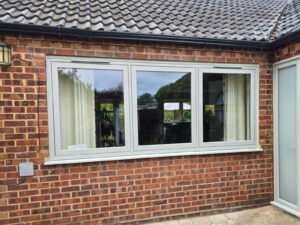
Style Superior’s uPVC casement windows use Deceuninck profiles designed to improve thermal retention, acoustic performance, and long-lasting quality. Casement windows are also highly versatile and can suit both traditional and contemporary properties. Homeowners looking for a more traditional appearance can also consider uPVC sliding sash, flush casement and timber-style flush sash windows. Style Superior’s timber-style designs combine the appearance of traditional timber with the thermal efficiency and low-maintenance benefits of modern uPVC.
Aluminium Windows
Modern aluminium windows combine slim frames with strength, durability and improved thermal technology.
Style Superior’s aluminium windows use thermally broken profiles designed to limit heat transfer through the frame. Aluminium’s strength also allows slimmer frames and larger glazing areas, making aluminium windows particularly suitable for homeowners looking to maximise natural light and create a contemporary appearance. The choice between uPVC and aluminium doesn’t have to be based on energy efficiency alone. Appearance, property style, sightlines, maintenance requirements and the wider design of your home should all influence the decision.
Which Window Style Should You Choose?
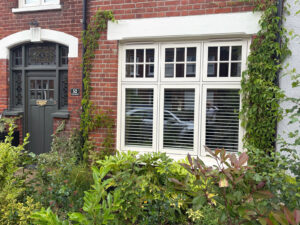
The best energy-efficient window style provides the performance you need while complementing your property’s architecture. Style Superior offers several options, including:
- uPVC casement windows for a practical and versatile solution
- uPVC flush casement windows for cleaner, flush-fitting aesthetics
- uPVC sliding sash windows for a more traditional appearance
- uPVC tilt and turn windows for flexible opening functionality
- timber-style flush sash windows for period and character properties
- aluminium windows for slim frames and contemporary styling
Choosing a window should therefore involve more than comparing appearance. Consider how the room is used, ventilation requirements, available opening space, maintenance and the architectural character of your property.
What Should You Look for When Buying Energy-Efficient Windows?
When comparing replacement windows, look at the complete window system rather than concentrating on a single feature.
Ask your installer about the glazing specification, frame construction, seals, ventilation and how the window will be installed. Homeowners can also ask about Window Energy Ratings or U-values where these are available, as these provide useful ways to compare thermal performance. Professional installation is particularly important. Replacement windows in England are covered by Building Regulations, and using an installer registered with an authorised Competent Person Scheme can simplify compliance. Style Superior states that its windows come with FENSA certification.
Homeowners in listed buildings or conservation areas should also check whether additional planning or heritage requirements apply before replacing existing windows.
Upgrade Your Home with Energy Efficient Windows
Energy-efficient windows can improve warmth, comfort and the appearance of your home while helping to reduce unnecessary heat loss. The best choice depends on your property, preferred design, and the performance level you want to achieve.
Style Superior Windows & Conservatories offers a wide range of energy-efficient windows, including uPVC casement, flush casement, sliding sash, tilt and turn, timber-style and aluminium designs.
If your existing windows are draughty, dated, or no longer performing as they should, explore our window range or contact our team to discuss the most suitable replacement windows for your home.
Glossary of Terms
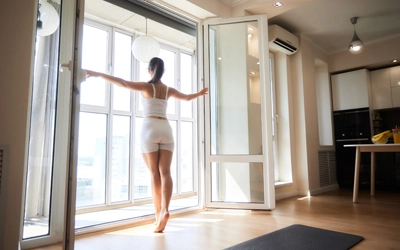
Ventilation
The process of allowing fresh air to circulate within a space, often enhanced by opening French doors to improve indoor air quality and comfort.
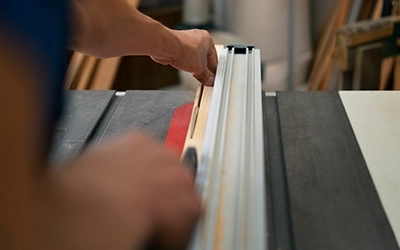
Glazing Bead
A strip that secures the glass within a uPVC door frame, ensuring stability and preventing movement or damage.
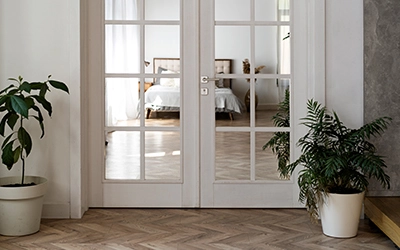
Sightlines
The visible width of the door frame and glass panels, influencing aesthetics by creating a seamless and open look.

Low-E Glass (Low Emissivity Glass)
A specialised glass coating that reduces heat transfer, keeping interiors cooler in summer and warmer in winter while reducing energy consumption.
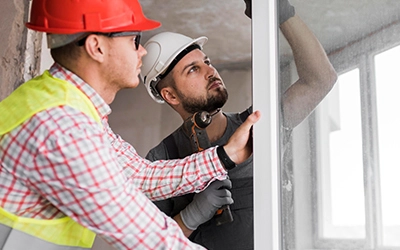
Reinforced uPVC
uPVC material strengthened with internal steel or aluminium reinforcement, increasing structural integrity and security for doors and windows.
Threshold
The bottom section of a door frame that sits at floor level, contributing to door stability, insulation, and accessibility.